A $150 smart home hub and a $20 USB dongle sit on the same shelf. The hub promises one-box simplicity. The dongle requires a computer already running Home Assistant. Most buyers reach for the hub.
We argue the opposite. We treat the radio as the product and the box as overhead. The hub tax buys marketing, cloud features, and vendor lock-in. The dongle buys direct local control over Zigbee and Z-Wave devices with no subscription and no external dependency. Three specific coordinators make the case concrete.
What the dedicated hub actually buys
The premium hub category sells three things that rarely survive scrutiny once local control enters the picture.
First, a polished app and cloud relay that works when your internet is up and the vendor stays solvent. Second, a curated device whitelist that limits you to approved radios and firmware. Third, a recurring revenue model hidden behind optional subscriptions or forced cloud accounts.
None of those three improve range, reliability, or privacy for the devices already in your walls. The USB dongles below run the same radios on open firmware, expose every packet to your own Home Assistant instance, and cost less than the first month of most hub subscriptions.
The Z-Wave stick tuned for Home Assistant range
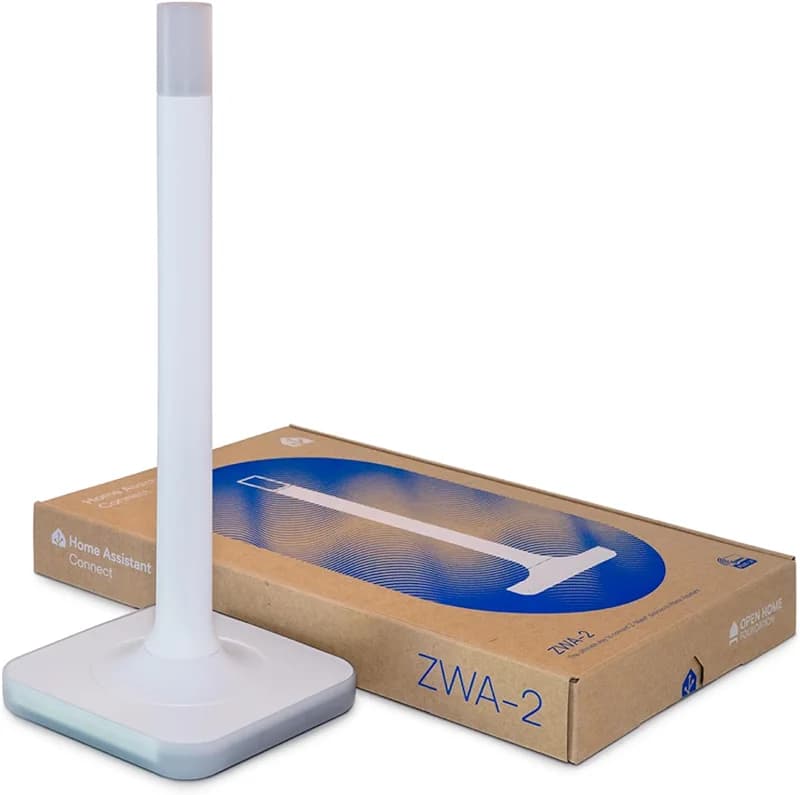
Home Assistant Connect ZWA-2 | Connect Z-Wave devices to Home Assistant |
$79.00on Amazon
Nabu Casa's Home Assistant Connect ZWA-2 uses a precisely tuned antenna and base for Z-Wave's ideal wavelength. It ships with the explicit note that a Home Assistant system is required. That requirement is the feature, not the limitation.
The stick maximizes range without the mesh compromises that come from vendor-curated repeaters. It hands every device directly to your local instance. No cloud account, no firmware updates gated behind an app store, no risk that the company pivots and bricks the unit.
Skip this if you run only Wi-Fi devices or refuse to maintain a Home Assistant server. Otherwise it removes the hub layer entirely.
The compact Zigbee coordinator with proven chipset
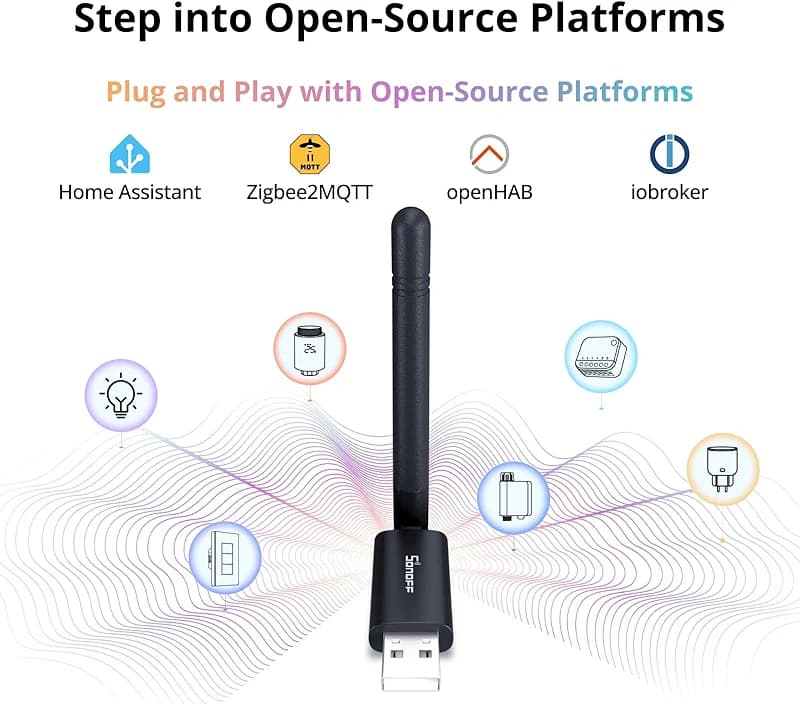
SONOFF Zigbee 3.0 & Thread Dongle Lite (EFR32MG21) | USB Stick Coordinator
$19.90on Amazon
SONOFF's Zigbee 3.0 & Thread Dongle Lite uses the EFR32MG21 chipset for low-latency Zigbee 3.0 communication. The form factor fits crowded USB ports on Raspberry Pi or mini servers without blocking adjacent ports.
Compact design and straightforward installation mean it slots into an existing Home Assistant box in under a minute. The chipset has years of community validation for stable sub-device handling. No bridge, no cloud relay, no forced app.
This is the option for anyone starting a Zigbee network from scratch who already owns the compute. The $20 price removes the financial barrier that keeps most people inside vendor ecosystems.
The higher-gain dongle for larger deployments
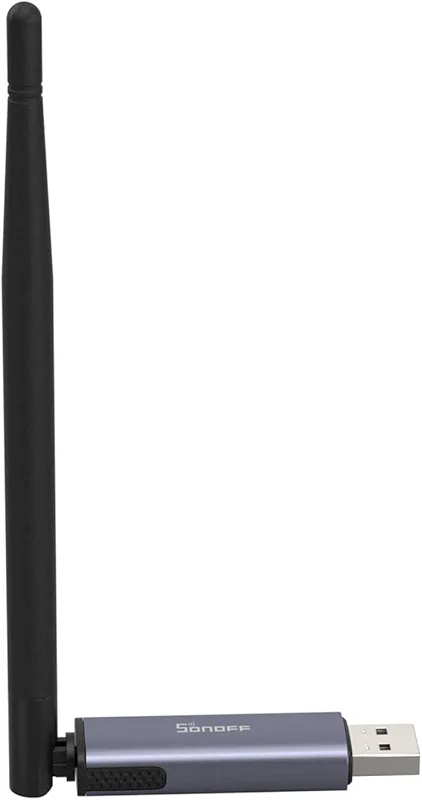
SONOFF's Zigbee 3.0 USB Dongle Plus MG24 steps up to the EFR32MG24 chip with default 3dBi antenna gain, tunable to 4.5dBi. The extra resources support faster automation processing and stronger signal across more devices.
For homes with concrete walls or multi-floor layouts, the gain difference shows up as fewer dropped packets and more reliable battery-sensor reporting. It still runs entirely locally through Home Assistant. The higher price remains well below any dedicated hub while delivering measurable range improvement.
The pattern across the category
These three coordinators share one structural advantage: they treat the radio as a dumb peripheral and let Home Assistant own the logic. Dedicated hubs invert that relationship. The hub owns the logic and exposes a limited slice through its cloud or app layer.
Once you accept that your automation rules live on your own hardware, the hub becomes an unnecessary middleman. The dongles prove the point at one-fifth to one-tenth the cost.
The one to start with
If you already run Home Assistant, begin with the Nabu Casa ZWA-2 for Z-Wave or the SONOFF Lite for Zigbee. Either removes the hub decision entirely. The pattern is clear: pay for the radio, not the box that hides it behind marketing.