The smart home aisle now pushes Matter-certified hubs as the only path to a stable network. We see the opposite pattern in every protocol round up. A basic Zigbee USB stick running on Home Assistant gives most homes tighter local control and zero recurring fees than the $100-plus boxes sold as the next standard.
The marketing claims the new protocol solves fragmentation. In practice the old dongle plus open software removes the vendor lock-in that Matter still carries.
What the premium hub actually buys
Premium Matter hubs market themselves as the bridge across ecosystems. They promise Apple Home, Google, Alexa, and future Thread devices will all talk without friction. The hardware cost covers certification fees and polished apps more than raw radio performance.
The real constraint in sensor networks is not protocol labels. It is whether the coordinator stays online when the cloud link drops and whether adding a new device requires another subscription. Zigbee dongles on Home Assistant sidestep both problems. They run locally by default. They expose every sensor to automations without an intermediary service.
The SONOFF dongle that anchors a local network
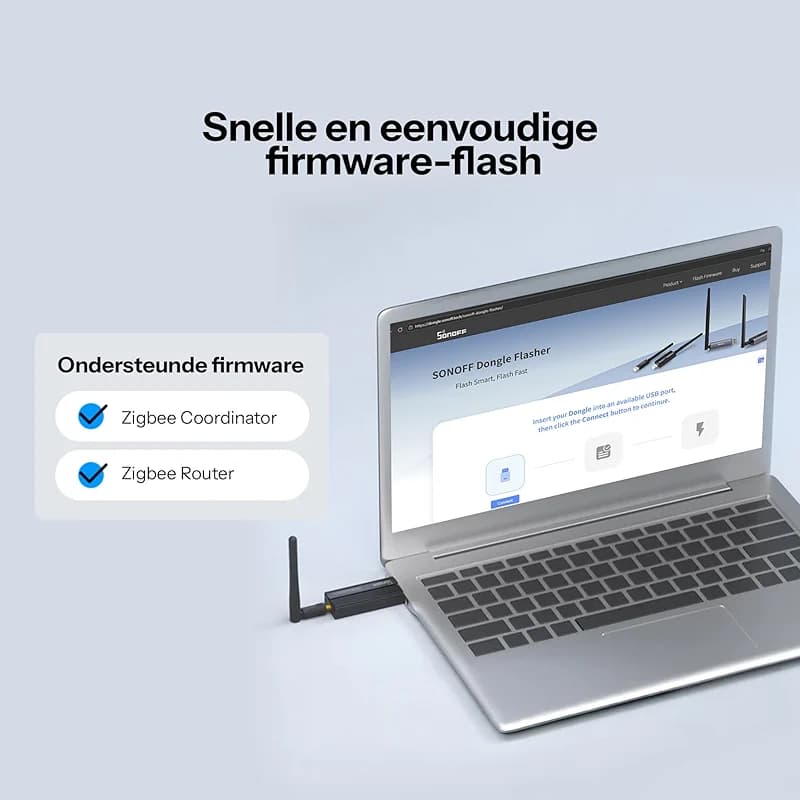
The SONOFF Zigbee 3.0 USB Dongle Plus ships pre-flashed for immediate use with ZHA or Zigbee2MQTT. Its aluminum housing and external antenna option cut interference from nearby Wi-Fi routers and USB peripherals. At typical indoor distances the +20 dBm output keeps door sensors and motion detectors responsive without constant retries.
It does not include a fancy touchscreen or voice assistant. That absence is the point. The device exists only to move Zigbee traffic into Home Assistant where rules run on your hardware. No cloud account is required after initial pairing.
The second SONOFF variant for mesh expansion
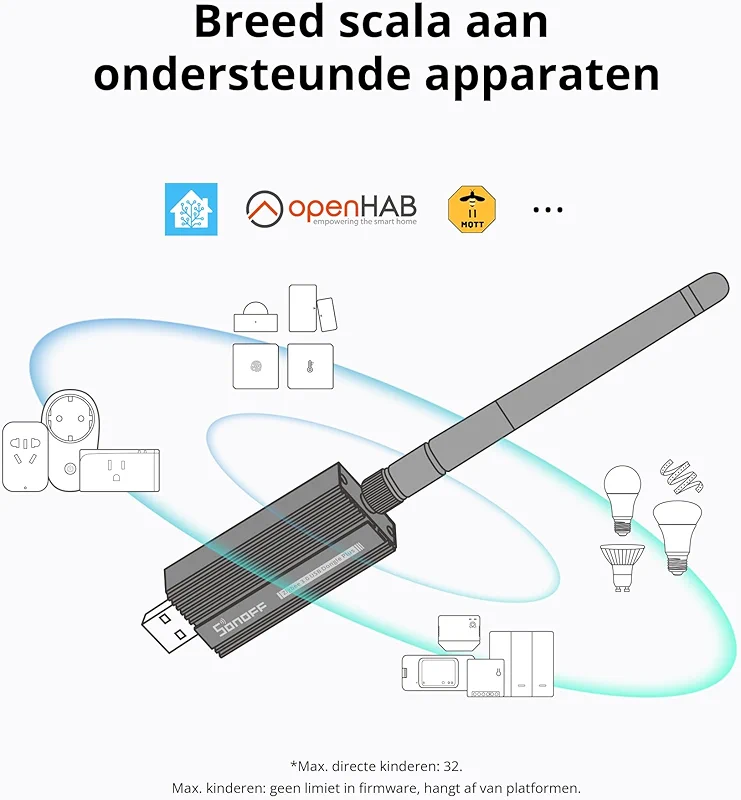
The SONOFF Zigbee 3.0 USB Dongle Plus-E uses the EFR32MG21 chipset with the same +20 dBm gain and metal enclosure. Its firmware supports the same coordinator role while offering slightly different power profiles for always-on operation. When placed in a separate USB port or powered hub it strengthens the mesh for battery sensors that sit at the edge of range.
The two dongles together demonstrate that protocol stability comes from radio coverage, not from a single expensive box. Home Assistant treats both as native coordinators. Adding the second unit takes minutes and requires no new app or login.
The Aqara sensor that proves the point
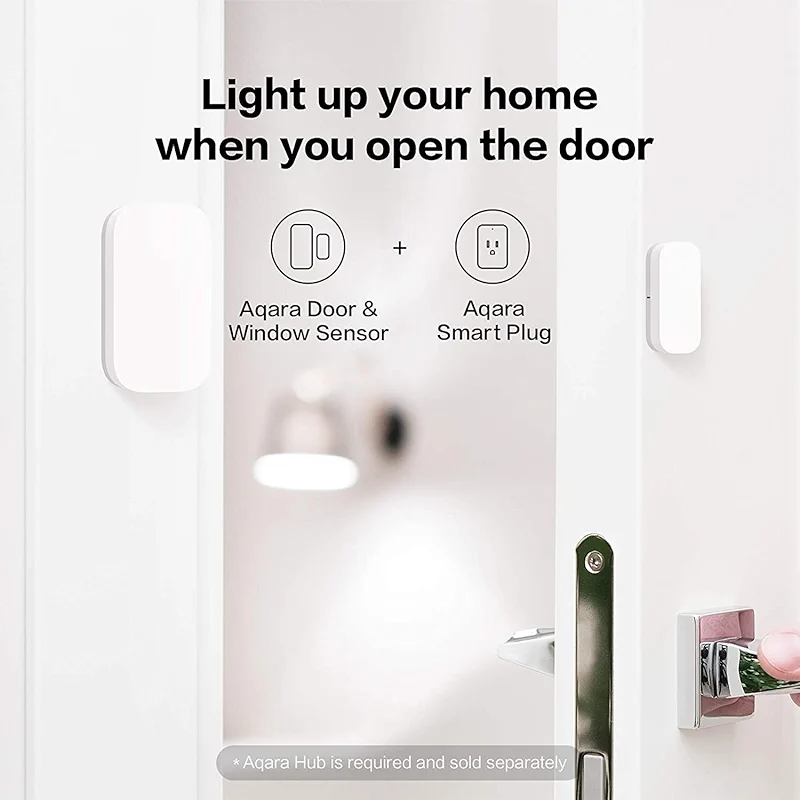
The Aqara Zigbee Door and Window Sensor 3 Pack reports open/close events over Zigbee to any compatible coordinator. It needs no batteries beyond the included cell and stays paired through repeated use. The 0.86-inch gap tolerance fits most residential doors and windows without custom brackets.
Paired through one of the SONOFF sticks it triggers local automations inside Home Assistant the moment the magnet separates. No phone notification delay, no subscription check, and no dependency on an Aqara cloud account. The same sensor works with the SONOFF dongle because both speak the same open Zigbee stack.
The pattern across protocol choices
These three devices share a structural advantage. Each one keeps the control loop inside your network. The SONOFF sticks handle coordination without vendor servers. The Aqara sensor reports state without phoning home. Matter hubs can do similar work once certified devices appear in volume, yet today most still route critical events through cloud services for cross-ecosystem features.
The cost difference is not trivial. Two SONOFF dongles plus a three-pack of Aqara sensors land under $60 delivered. A single Matter-certified hub with comparable radio range often exceeds that before any sensors are added. The premium buys marketing language and future promises. The dongle route buys working local control today.
What this actually saves
If the goal is a sensor network that survives internet outages and avoids monthly fees, the Zigbee path on Home Assistant is the clearer choice for the majority of homes. The Matter label will matter more once device support matures. Until then the $25 stick plus open software remains the practical default.
Pick the SONOFF dongle first, add the Aqara sensors for immediate coverage, and expand the mesh only where range tests show gaps. That combination delivers the reliability the premium boxes advertise without the tax.